Moulding


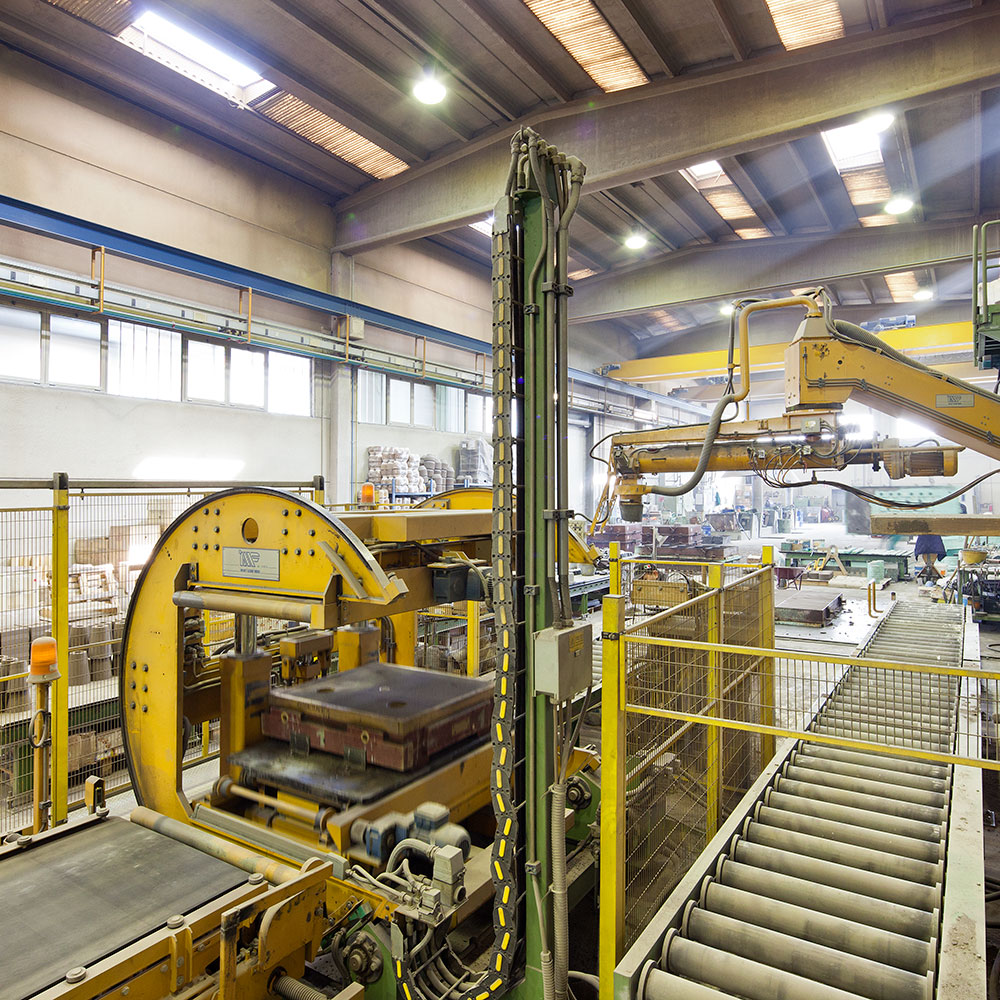
2M has the latest generation systems for the production of a wide range of static castings.
The steel moulding casting plant has few dimensional limitations and guarantees a high productivity while maintaining a reasonable flexibility which enables it to satisfy every type of customer request.
2M production covers:
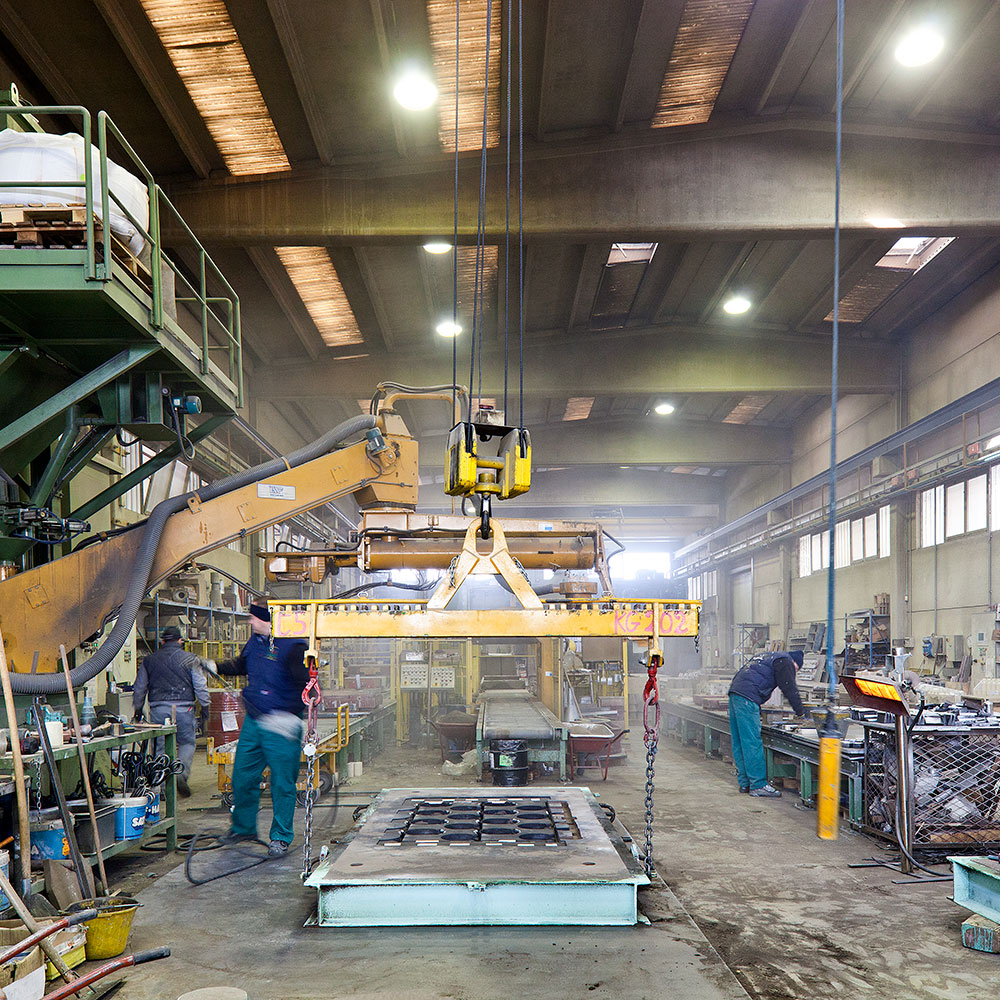
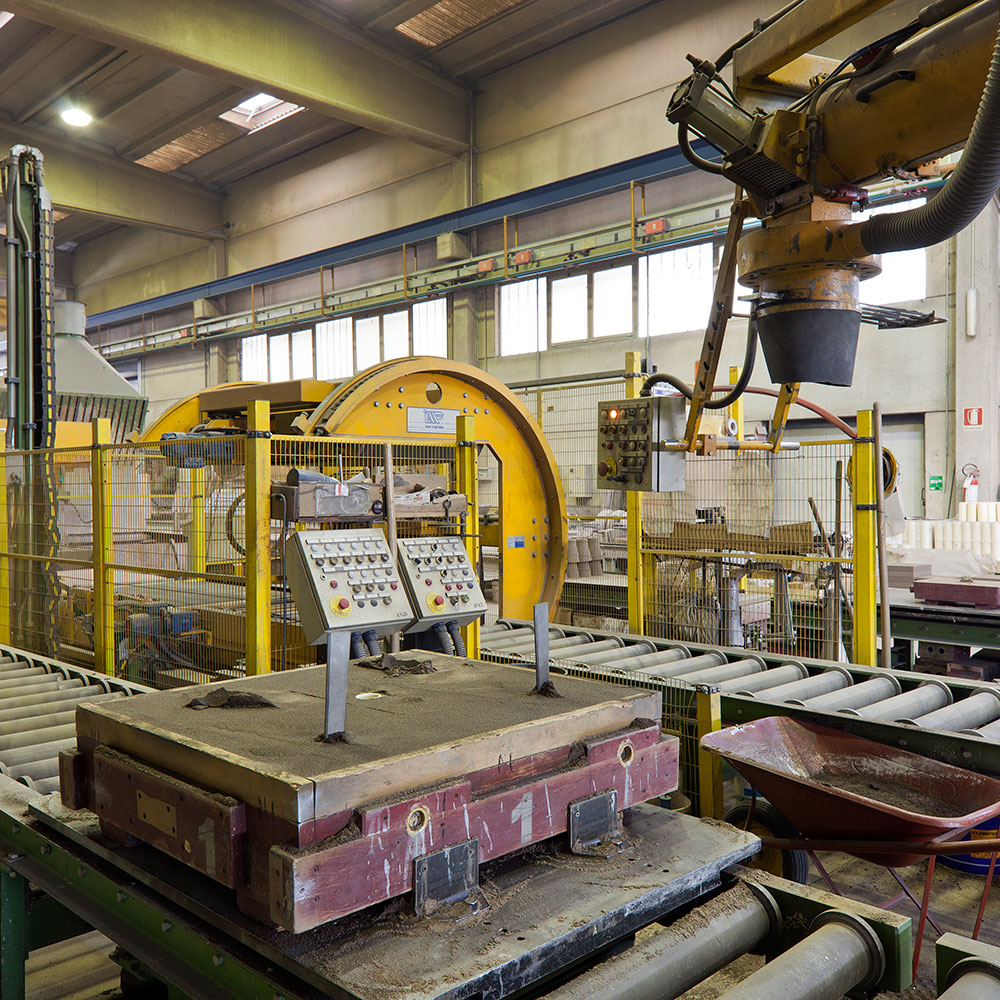
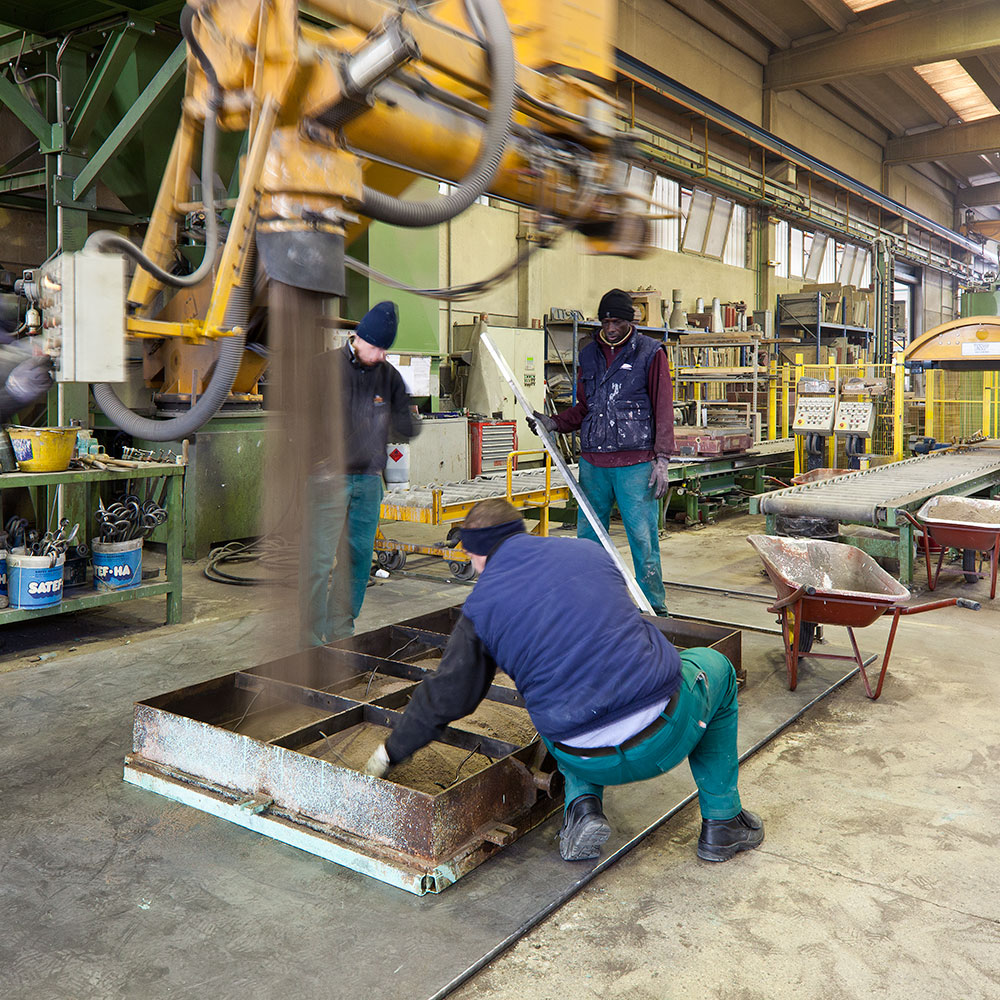
The moulding process requires numerous manufacturing steps.
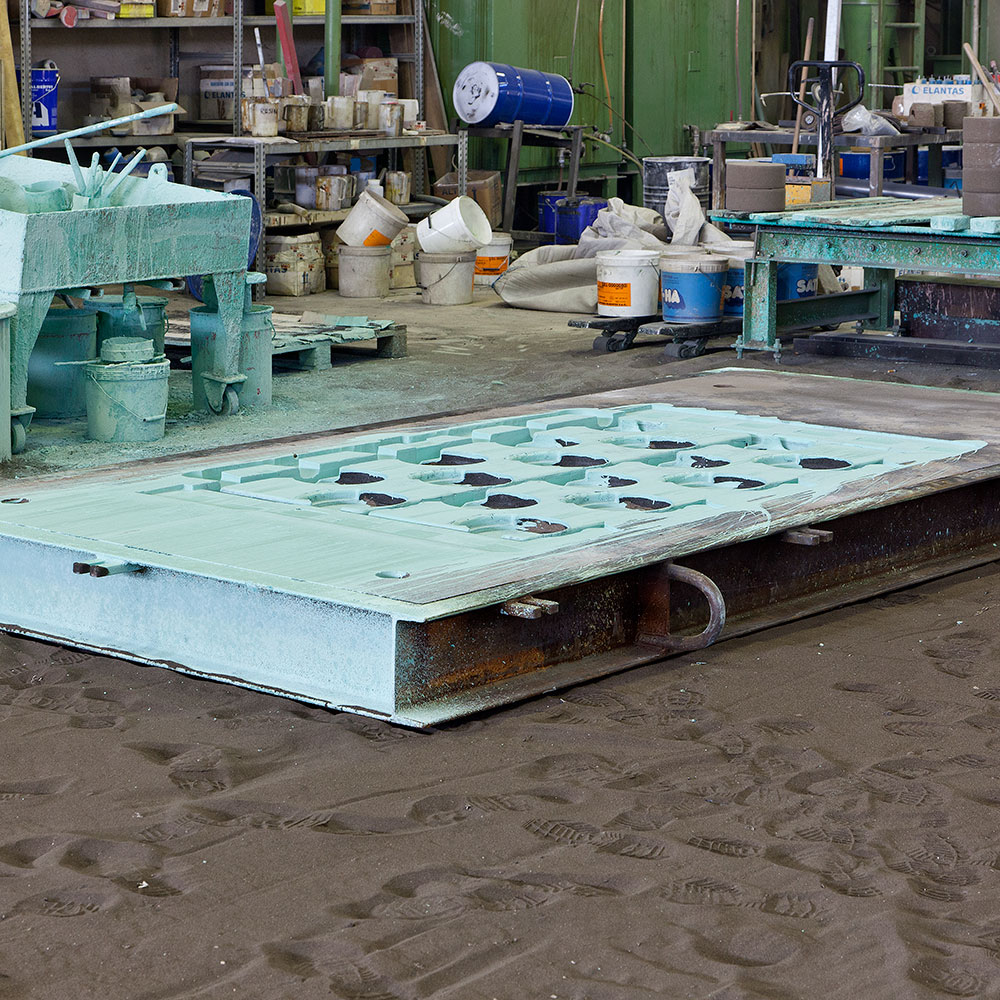
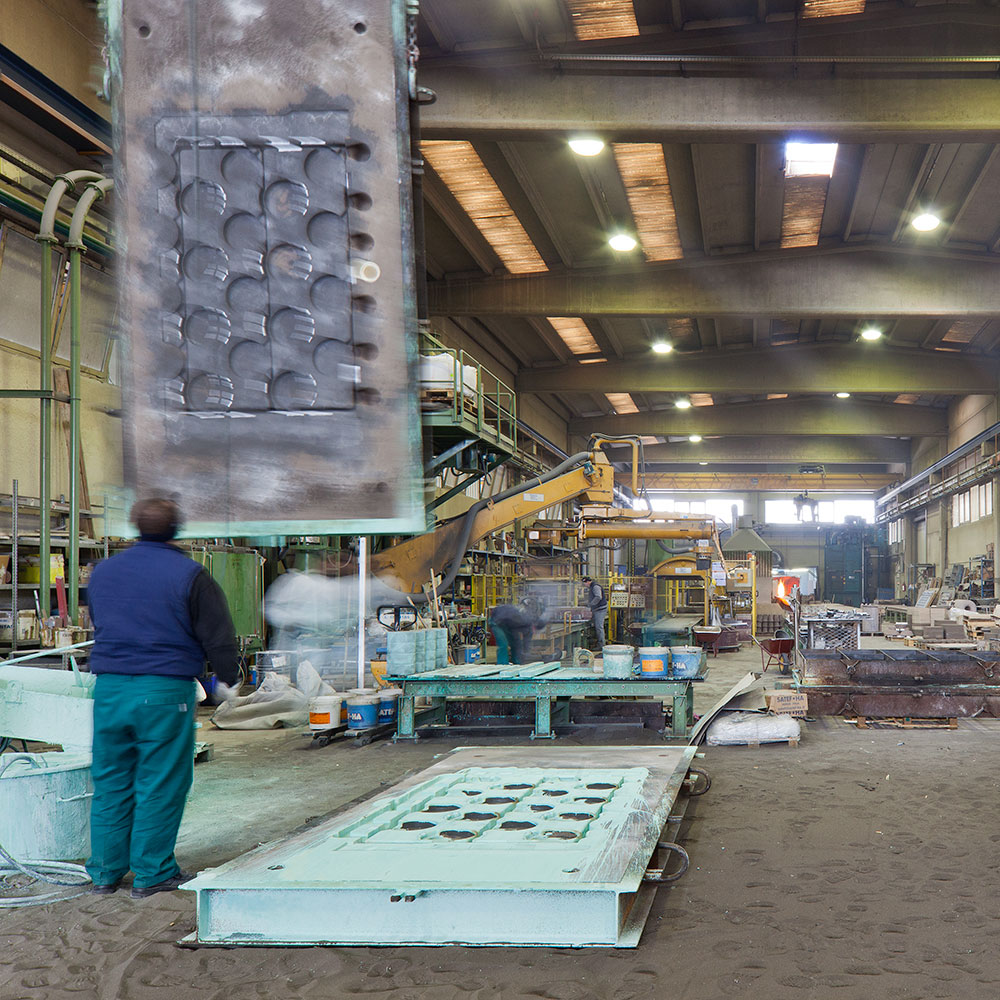
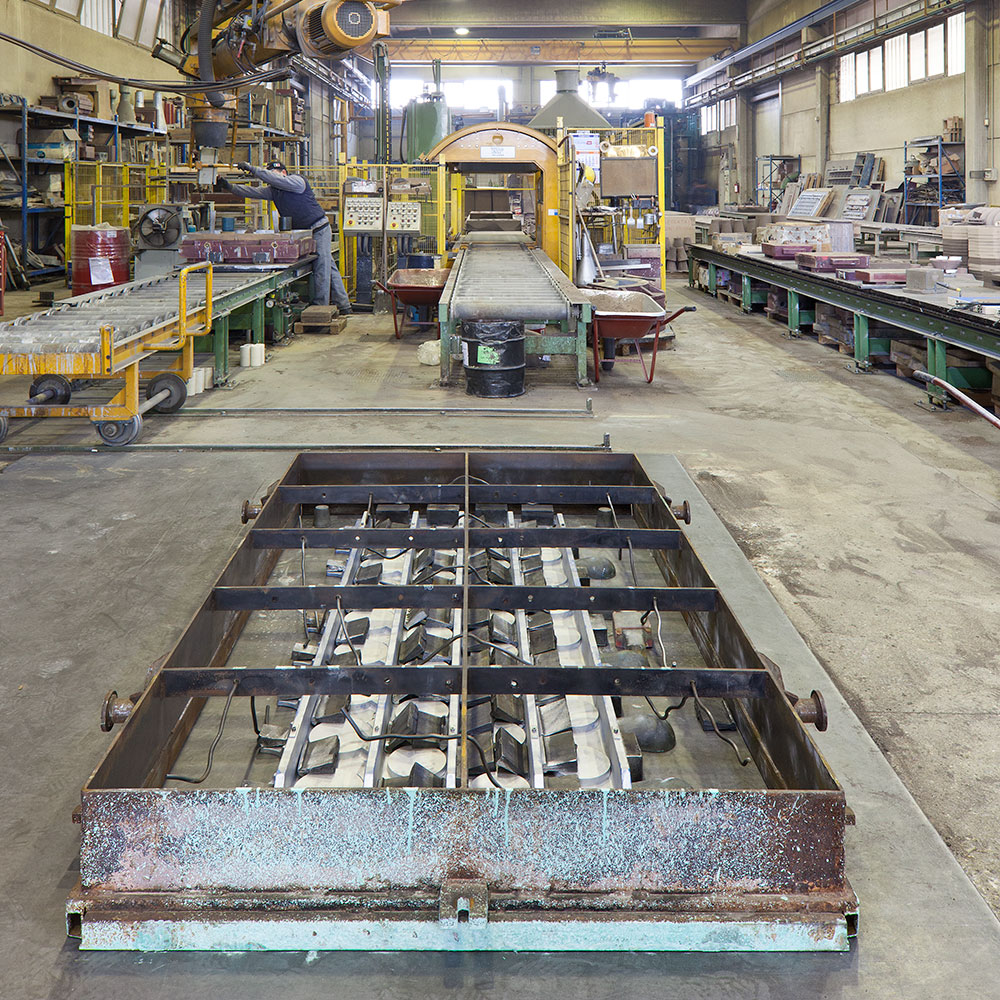
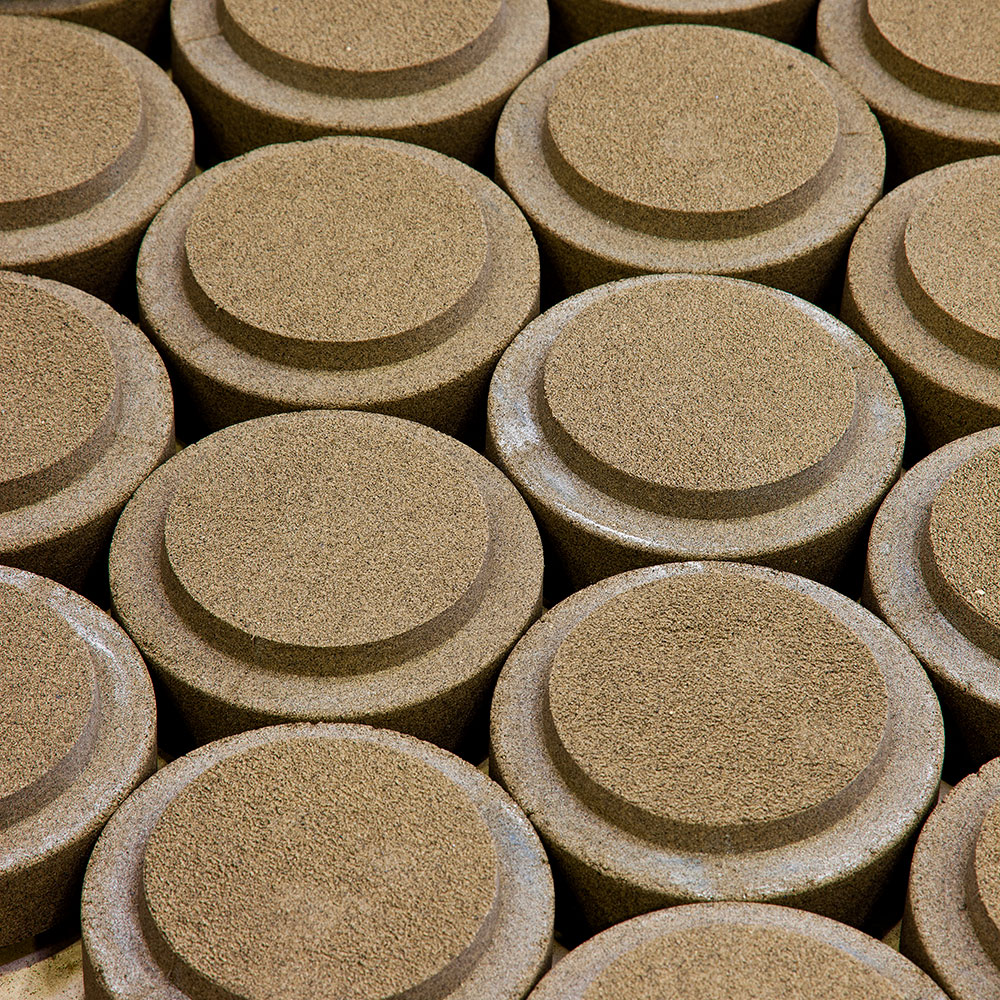
It starts from the wooden mould positioned in the bracket which is filled with a mixture of sand, resin and a hardening catalyst.
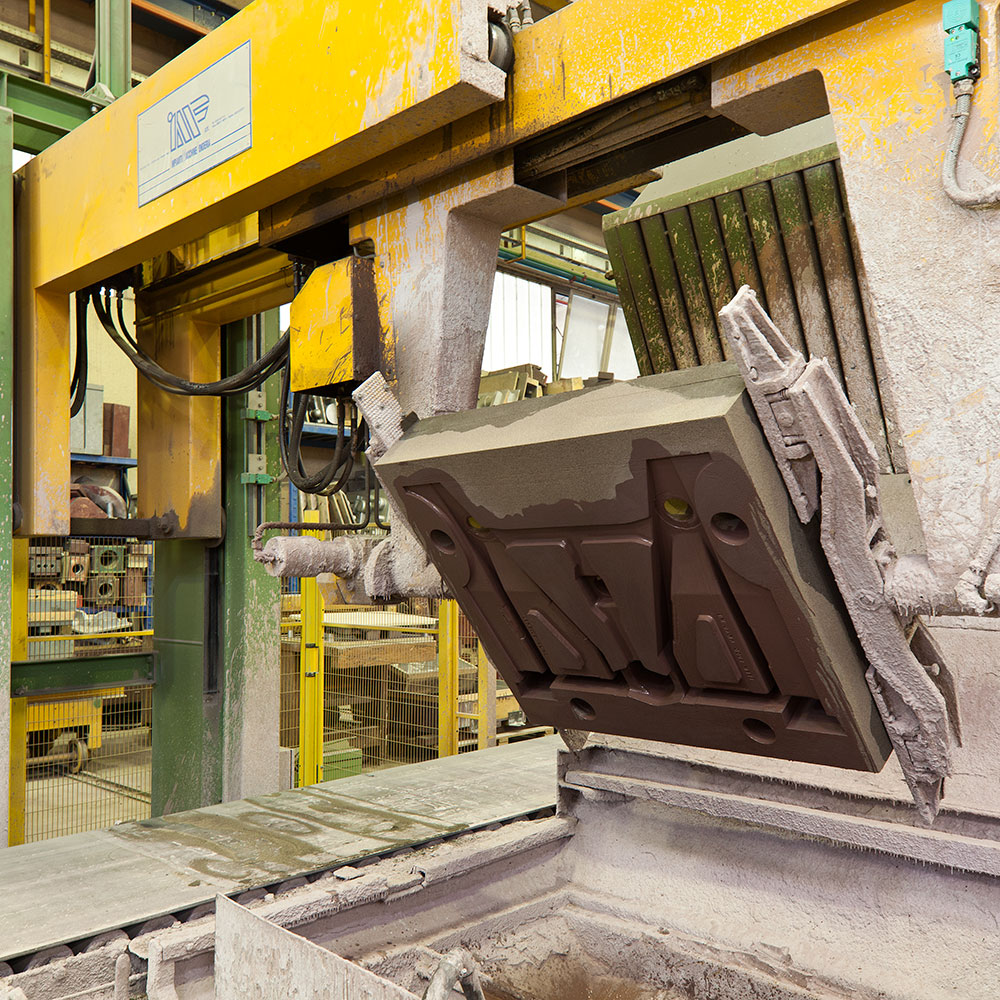
The mixture hardens, filling each space in the bracket, then the mould is removed, after the shape of the piece to be produced is obtained; the mould is painted to ensure its integrity and the necessary resistance to the temperature of the molten metal.
After casting, once cooling is complete, the process of removing it from the brackets is initiated: the cast moulds are positioned on a work surface where, through appropriate vibrations, the sand is separated from the piece, which then latter goes on to the finishing phase.
The sand is collected in the recovery plant and regenerated with mechanical-thermal processes, reaching a semi-complete recovery.
Then we move on to the sandblasting phase to clean the surface of the piece and eliminate moulding residues; sprues and launders from casting are cut out and reused in the casting process.
The piece is inserted into special deburring cabinets and for checked for detail conformity.
At the end of the process, the piece can be assembled or subjected to heat treatments or it goes to the final testing phase, which includes:
There are also a series of tests, carried out outside the company at the request of the customer or for internal process qualification procedure, such as X-rays and hot or cold mechanical tests.


2M is constantly looking for new special alloys with ever higher performances and more and more innovative technical solutions to meet customer needs on time and in the best way.
The 2M foundry in Cremona has a production capacity ranging from 6 to 10 tonnes of molten liquid per day.
Specialised professionals follow all stages of the production processes.